


Turning Patient Experiences Into Policy Solutions
SSRIT uses community-based assessment, data collection, and surveillance to identify gaps in sickle cell care across Texas and develop evidence-informed recommendations that improve access, continuity of care, and health equity.
About this Work

Sickle Cell Support & Research Initiative Of Texas collects real-world information from patients, caregivers, providers, and community partners to better understand the barriers affecting individuals living with sickle cell disease. Our work focuses on identifying challenges that contributes to crises such as delayed care, missed appointments, transportation barriers, transition from pediatric to adult care, emergency room dependence, and gaps in specialty access.
What we Do

Through surveys, listening sessions, provider interviews, and community outreach, GSSRI gathers data that highlights the lived experiences of individuals and families affected by sickle cell disease. We analyze these findings to identify patterns, unmet needs, and system-level gaps that require stronger public health and policy responses.
Our Focus Areas

Assessment & Analysis: Evaluating access-to-care barriers, social determinants of health, and opportunities to improve outcomes for people living with sickle cell disease.
Data Collection & Surveillance: Building community-informed data systems that track care gaps, patient needs, and barriers that can guide advocacy and policy change.
Policy Translation: Using findings to develop policy briefs, recommendations, and stakeholder reports that support improved healthcare access and continuity of care.
Why it Matters
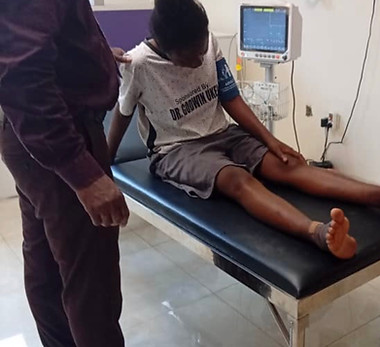
Many sickle cell patients face preventable barriers that impact their health, stability, and quality of life. By documenting these challenges and translating data into action, SCSRIT helps ensure that patient voices are heard and that decision-makers have the evidence needed to improve care systems.
Identifying SCD Patients

SSRI identifies individuals living with sickle cell disease across Texas through community outreach, partnerships, and referrals. We collaborate with healthcare providers, community organizations, and faith-based groups to connect with patients and families who may benefit from support services. Individuals can also self-identify by contacting us directly through our website, phone, or outreach events. In addition, we use surveys and community engagement efforts to reach underserved populations and ensure that those most in need are included in our programs.
Call to Action

Help us identify the gaps. Help us shape the solutions.
Patients, caregivers, healthcare providers, researchers, and community organizations are invited to participate, partner, or support this important work.